

Systemic Strategist · Financial Inclusion · Market Systems · Enterprise Development
I Help Institutions Navigate Systemic Barriers to Real Impact.
For donors, financial institutions, companies and NGOs across MENA and Africa. I find what is really holding results back, whether it sits in a product, a team or the market around it, fix it with the people who will run it, and plan from the first day for it to keep working long after the project ends.
- Training & Capacity BuildingFor the people who run finance and enterprise support
- Speaking & ModerationOne argument, built for your room
- Consulting & AdvisoryFinance, market systems and enterprise development, from map to hand-over
- Ready-to-Go ProductsAn ecosystem map and an opportunity system, set up for you
- Now
- Strategist and Independent Advisor, Business Development Services (BDS) and Micro, Small and Medium Enterprise (MSME) Development, Financial Inclusion and Market Systems · Co-Founder & Global Technical Director, Business Development Institute, a private institute with 80+ staff and 14,000+ learners · Principal Fund Coordinator, a bilateral donor fund
- Focus
- Financial inclusion and MSME finance · Market systems · Enterprise development and business development services
- Regions
- Deep work in Egypt, Jordan, Lebanon, Yemen and Turkey. Training reach across 18 countries in MENA and Africa.
Where I Stand
Systemic Change Is the New ‘Sustainability’.
I am a systemic strategist. I work on the part of the problem that sits below the waterline, where most programs never look.
- Start Below the Waterline.Most programs fix what they can see: a training gap, a missing loan product, a weak business plan. The outcome is decided underneath, by who pays, who decides and which rules nobody wrote down. That is where I start.
- A Training Statistic Is Not an Outcome.I have trained more than 16,800 people and I still do not count that as the result. The result is governance, capability and a revenue model that still hold after the project ends.
- ‘Gender’ Is Not a Product Label.Gender-sensitive finance has to go beyond the scratch on the surface. What are the real barriers, social, regulatory and market, that keep finance from working for women? Design for all of them, not only for access to a loan.
- I Have Sat in Every Chair.Delivery, advisory, funder and founder. I have written the proposals, scored them, run what they funded and built an institute of my own. I am a high risk taker and I am not afraid of change, mine or a client’s.
What I bring to the table: a bird’s eye view that sees beyond what is now.
Exit-First Design · The Four Stages
How the Change Keeps Working on Its Own.
Exit-First Design is how I work. From the first conversation, we agree who will run it and who will pay for it once the project ends. Whether you are a company, an institution or a program working across a market, the work moves through the same four stages, and we start from wherever you are today.
In Market Systems Development TermsFor donors and program teams, the same approach in market systems development (M4P) terms: we map the core, the supporting functions and the rules, act on the binding constraint, and track adoption, adaptation, expansion and response (AAER), so the change outlasts the program.
Exit-First Design · The Four Exit Questions
I Ask These on the First Day, Not the Last.
If the answer to any of them is no, the work is not finished, whatever the report says.
- OwnershipWho owns this once the project ends, and have they agreed to it in writing?
- AuthorityCan the people running it take the decisions it needs without asking upward?
- EconomicsDoes it earn its keep, or does it have a funded reason to exist once the project ends?
- CapabilityAre the trainers, standards and quality routines inside your organization, not with an outside consultant?
In market systems development terms: who will do it and who will pay for it once the program has gone, and do they have the will and the skill to carry on? Clients and funders can apply the four questions to any plan on their desk. Most plans answer one.
About
Four Chairs, One Table.
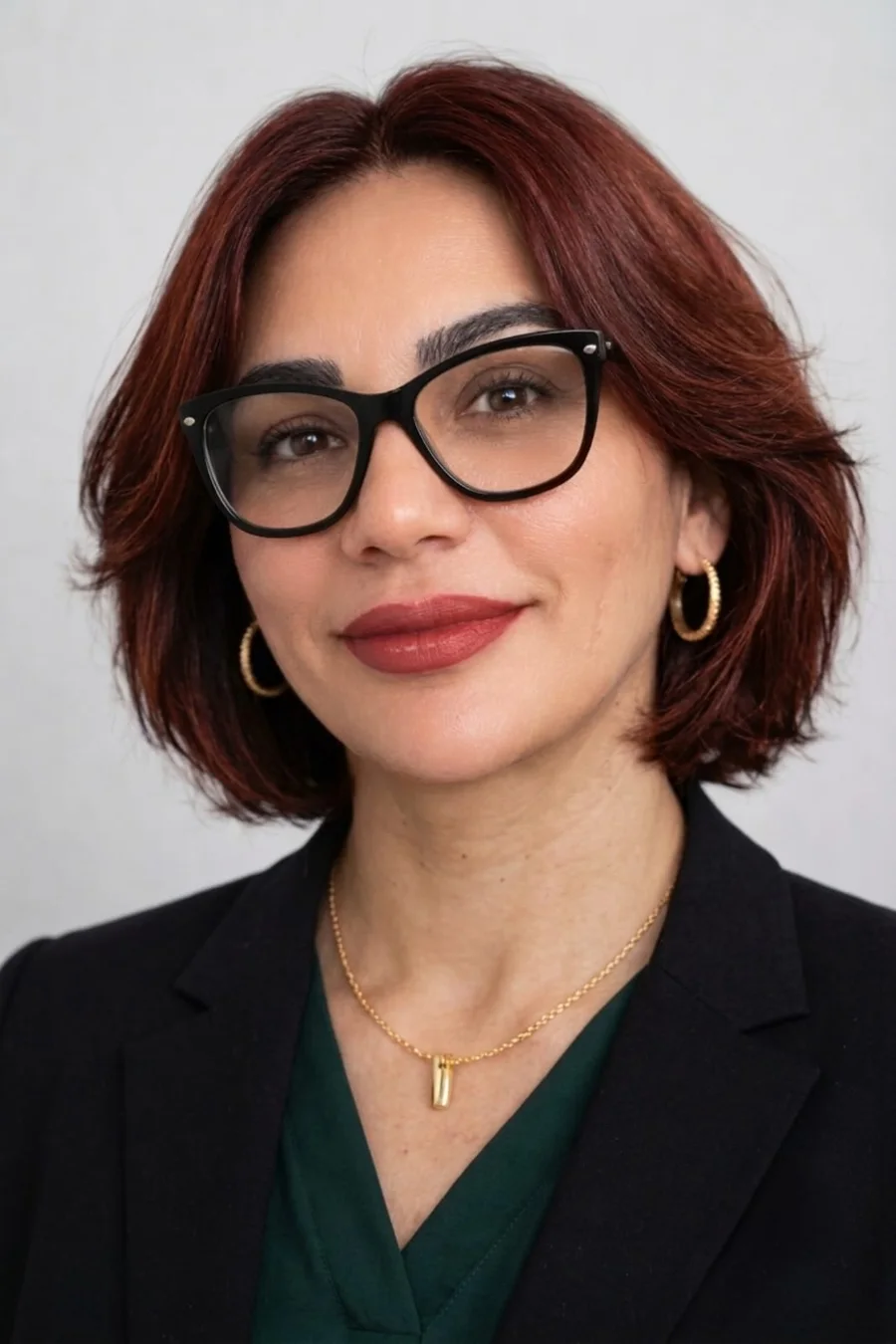 Ghada KabeshStrategist and Independent Advisor · Cairo
I have run the programs that proposals promise, advised the institutions that deliver them, scored the proposals from the funder’s chair and built an institute of my own. Each chair shows you something the others hide, and the advice I give comes from having sat in all four.
- DeliveryTeam Leader for financial and non-financial services on two national donor programs in Egypt, working closely with the Central Bank of Egypt.
- AdvisoryMore than 35 advisory assignments and 15 market assessments and ecosystem mappings since 2014.
- FunderPrincipal Fund Coordinator of a bilateral donor fund since 2014: calls, scoring, due diligence, recommendations.
- BuilderCo-Founder of the Business Development Institute, leading a team of more than 100 specialists, instructors and advisors. The BDI Story →
Proof of Work
What Changed, and How.
01Enterprise-Support Units That Outlast Their Donors35+ organizations · 16 now independent
Donor-built business development centers tend to close when the program that funds them ends.
Design the unit inside a host institution, with delegated decision rights, a service line the host values and a revenue model it can carry.
More than 35 BDS and enterprise support organizations designed, established or technically advised nationally; 16 centers moved from project support to independent operation inside their hosts.
02Microfinance Institutions Kept Lending Through Conflict10 MFIs
Portfolio quality and continuity under active conflict, with clients whose income no longer follows the repayment calendar.
Strategic planning, portfolio risk management and product adjustments built with each institution’s own team.
Ten institutions strengthened, maintaining continuity and improving lending practice through the conflict.
03Twelve Years on the Funder’s Side500+ organizations
A bilateral donor fund needs to know which organizations can carry its money and deliver with it.
Competitive calls, evaluation criteria, due diligence, grantee capacity building and monitoring, every year since 2014.
More than 500 civil society organizations assessed and capacity-built; more than 50 grants a year. The role is kept separate from my advisory work, and this site does not handle grant applications or funding decisions.
04Business Development Taught as a Practice16,800+ practitioners · 18 countries
Business development is usually taught as a set of separate subjects, not as a practice people can apply the next morning.
An applied curriculum I designed and have taken through five iterations, trainer standards and quality assurance, and AI built into every module rather than taught beside it.
More than 16,800 practitioners trained across my career, in 18 countries across MENA and Africa.
Programs are described by theme and result. Detail on specific assignments is available on request.
Ways to Work With Me
Pick the Chair You Need Me In.
- Understand Your Market
- Find What to Fix First
- Design It With Your Team
- Train Your People to Run It
Latest Events
News
Perspectives
- 8 minSDG, ESG and Impact: Three Words, Three Different QuestionsBeyond the Buzzword
- 5 minWhat I See in the First Two Pages of a Losing ProposalNotes from the Field
- 8 minWhy Good Development Consultants Are Not Getting HiredZoom Out
- 5 minAsk the AI, Then the Client: The Five-Question CheckNotes from the Field
Let’s Talk
Bring Me the Problem, Not the Terms of Reference.
A thirty-minute call is enough to tell whether I am the right person.